They say defense wins championships. While high-flying offenses get most of the highlight reel attention, legendary defenses like the 1985 Bears, the 2000 Ravens, and the 2013 Seahawks have proven that stopping the opposing team is the ultimate key to a Super Bowl ring.
If you are a fan of Weddle Unlimited, you know that understanding defensive positions (like DL, DE, DT, LB, CB, and S) can be the difference between solving the mystery player in 3 guesses or striking out completely. Today, we are breaking down the anatomy of an NFL defense and explaining the difference between the two most famous base alignments: the 4-3 and the 3-4.

The Front Seven
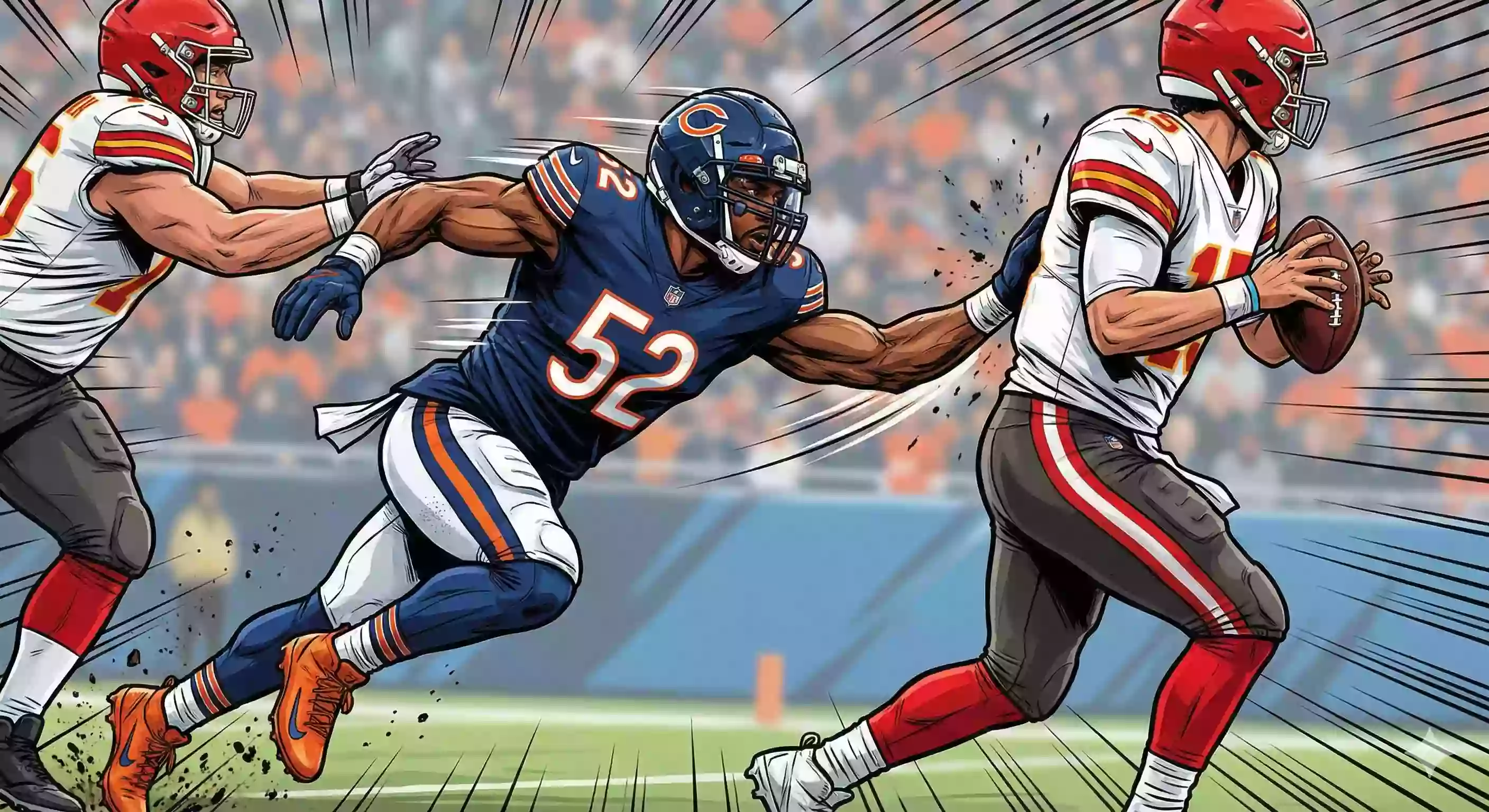
The core of any run-stopping defense is the "Front Seven." This consists of the defensive linemen (who put their hands in the dirt at the line of scrimmage) and the linebackers (who stand up a few yards behind the line). How a defensive coordinator arranges these seven players defines the entire personality of the defense.
The 4-3 Defense
A 4-3 defense uses four defensive linemen and three linebackers.
- Defensive Tackles (DT): Two massive players in the middle whose job is to clog up running lanes and push the center of the offensive line backward.
- Defensive Ends (DE): Two athletic pass rushers on the edges trying to sack the quarterback.
- Linebackers (LB): One middle linebacker (the "Mike," who is essentially the quarterback of the defense) and two outside linebackers who cover tight ends and running backs.
In a 4-3, the defensive linemen are usually smaller and faster because their primary job is to penetrate the offensive line and disrupt plays in the backfield.
The 3-4 Defense
A 3-4 defense flips the script, using three defensive linemen and four linebackers.
- Nose Tackle (NT): One gigantic player directly over the center. His job is to occupy two or three blockers at once.
- Defensive Ends (DE): Two larger, run-stopping ends flanking the nose tackle.
- Outside Linebackers (OLB): These are actually the primary pass rushers in a 3-4. Think of players like T.J. Watt or Von Miller. They stand up rather than putting a hand in the dirt.
- Inside Linebackers (ILB): Two middle linebackers responsible for tackling running backs who slip past the defensive line.
The Secondary (Defensive Backs)
Behind the front seven sits the secondary. In both the 4-3 and 3-4 base defenses, there are four defensive backs.
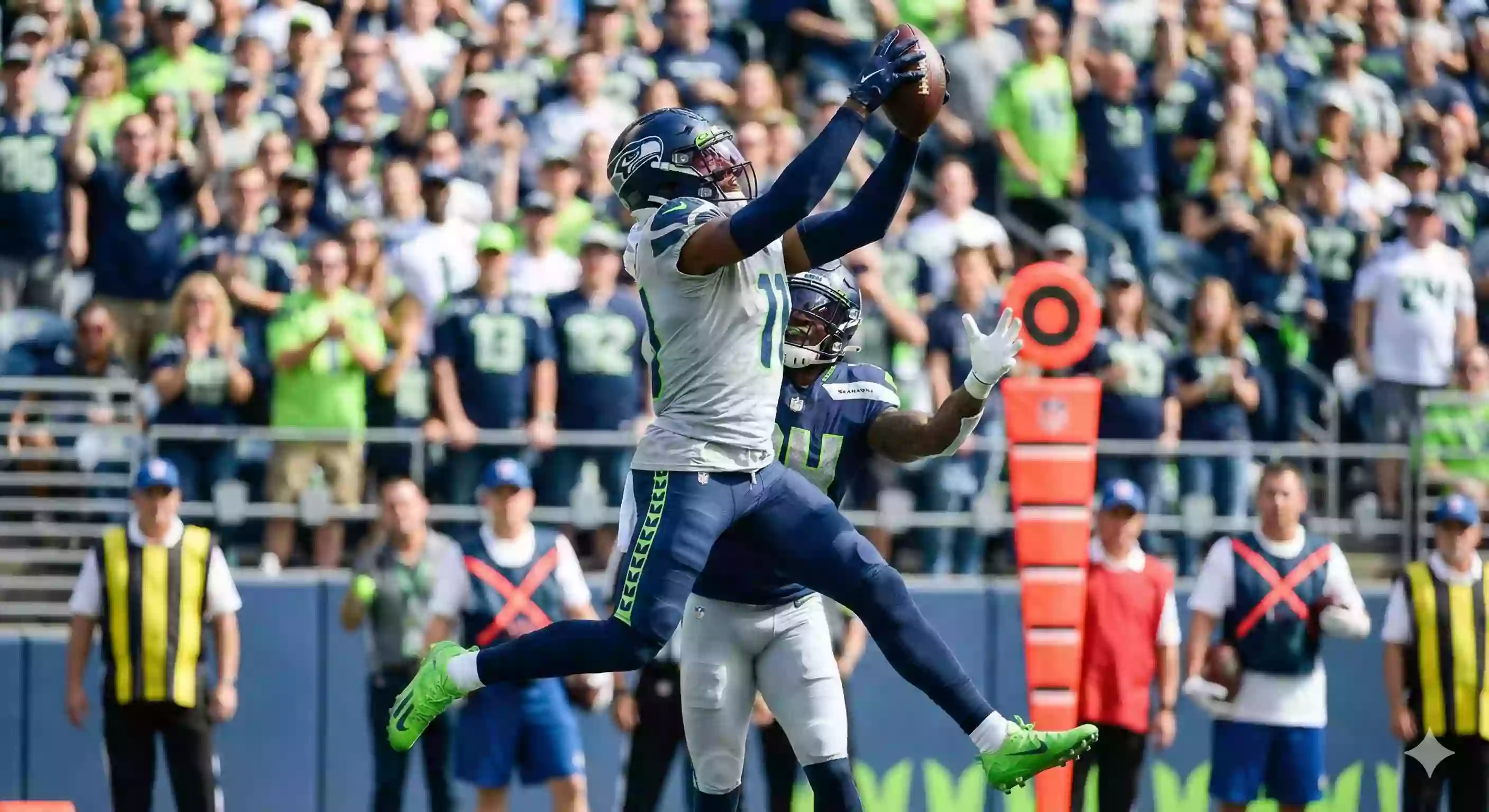
- Cornerbacks (CB): The two players lined up on the outside, tasked with covering the opposing team's wide receivers. They are almost always the fastest players on the defense.
- Safeties (S): The last line of defense. Strong safeties usually play closer to the line of scrimmage to help with the run, while free safeties roam the deep part of the field to prevent long touchdown passes.
The Rise of the Nickel Package
Because modern NFL offenses pass the ball so frequently, teams rarely stay in their "base" 4-3 or 3-4 defense. When an offense puts three or four wide receivers on the field, a linebacker is too slow to cover them.
The solution is the Nickel Defense. The defense removes one linebacker and replaces him with a fifth defensive back (a "nickelback"). Today, NFL teams actually play Nickel defense over 60% of the time, making it the true "base" defense of the modern era.
How This Helps You Win Weddle
When playing Weddle, paying attention to differences in position groups is huge.
If you guess a DE (Defensive End) and get a yellow box for the position category, that means the mystery player plays on defense, but in a different group (like LB or DT). Knowing which players are categorized as Defensive Linemen versus Linebackers can easily save you a guess. For example, edge rushers in a 3-4 are usually listed as LBs, while edge rushers in a 4-3 are listed as DEs!
Test your knowledge! Can you identify today's mystery defender? Play now at Weddle Unlimited!